
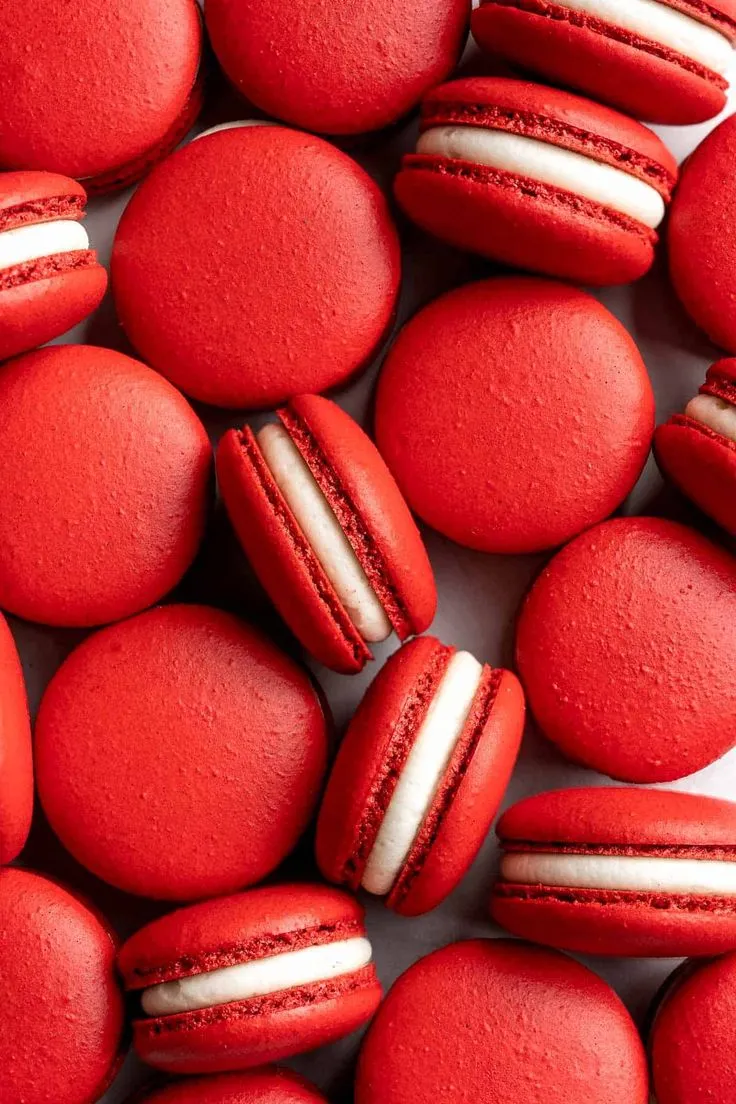
Naturally sourced ingredients that offer appealing hues for contemporary products are being continually sought after by food manufacturers. Beetroot is especially important due to its ability to give color to various food products. Product developers looking for a red and naturally derived appearance in beverages, confectionary, dairy, desserts, sauces and others may consider Beetroot Red.
Understanding Beetroot-Derived Red Color
The red color of the beetroot is due primarily to the naturally occurring beetroot pigments, especially the betacyanins. They give beetroot its characteristic red/reddish purple color and also are a valuable source for color development.
The actual color may change depending on concentration, formulation, processing and other ingredients added to the product. This implies that manufacturers will be able to take advantage of seeing the color in the product, rather than just the color on its own.
These properties are important in assisting product developers in the development of a new formulation.
Where Beetroot Red Can Be Used
A natural red food color may be used in a wide variety of applications where it is acceptable to use a red or berry coloured hue. Naturally-derived red-colored food products can be used to develop color in beverages, confectionery, dairy products, desserts, sauces, bakery products, and selected plant-based foods.
Each product is graded to a different shade, so please consult the individual product specifications. A fruit drink might need a vibrant color, while a confectionery or dessert product might need a deeper color. When possible, it helps to determine the visual outcome desired before testing to decide on a way to approach it.
Application testing can also give a greater insight into the color’s behavior in the final formulation.
Matching Color With the Food Matrix
Because each food product is unique, the surrounding foods may have an impact on the resulting appearance. During color development, some aspects of the formulation, such as acidity, moisture, and texture, should be taken into account.
For this reason, manufacturers can start with small formulation trials. The trials enable teams to test different concentrations and see the resulting shade in their own food system.
Several test variations can also be used to help find the concentration that gives the desired appearance, without altering other properties of the product, such as taste. A structured comparison facilitates documentation and repeatability of the development process.
Considering Processing and Storage
Other factors in color selection are processing conditions. The ingredient might be subjected to mixing, heating, cooling, freezing, light exposure, or storage for extended periods of time, depending on the product.
During development, manufacturers can duplicate key parts of the manufacturing process to gain knowledge of how the color will behave in real life. This can give helpful information about the final look and enable teams to set proper application procedures.
In some cases, storage evaluation can be integrated into the development. Monitoring the product during the intended storage time may provide some insight into the product’s ability to retain its visual properties in the formulation.
Selecting the Right Ingredient Format
Ingredients used in natural colors may come in various forms due to application and the production process. Depending on the method of measuring, mixing and dispersing ingredients, either liquid or powdered forms may be suitable for a specific production system.
The format chosen depends on the type of equipment to be used, formulation moisture, sequence of ingredients and production method employed by the manufacturer. Technical discussions and sample testing can be used to determine an option that will work for the desired workflow.
After the ideal format is determined, adding notes on dosage and how to incorporate it can assist in consistent production.
Developing an Appealing Final Product
Color is not just another element of a product; it is coupled with its other attributes such as flavor, texture, contents and packaging. By carefully choosing a red hue that complements the rest of the design, the color can help to create a cohesive and unified look.
Therefore, developers should think about color at the very beginning of the formulation process and not late as a final touch. This allows teams time to assess the various sources, concentrations, and application techniques before commercial production is in effect.
Conclusion
Beetroot offers an attractive source of natural red coloring to manufacturers interested in producing a range of naturally colored food products. Considering the food matrix, desired intensity, processing parameters, food format and storage conditions can help the developer develop an appropriate strategy for the formulation of the color. If you’re looking at beetroot options for your next product, head to foodrgb.com to find the right solution and start your plans for natural coloring.
About the Author


